
Storm Damage Roof Repair: How to Fix Your Roof After a Storm
Storms can hit fast and hard, leaving your roof vulnerable to damage. If you’ve recently faced heavy winds, hail, or rain, you might be wondering what steps to take next. I’ve been through this process, and I want to share some straightforward advice to help you get your roof back in shape quickly and safely.
Understanding Storm Damage Roof Repair
When a storm passes, the first thing to do is assess the damage. Roof damage can range from minor issues like loose shingles to major problems like leaks or structural damage. Knowing what to look for helps you decide if you can handle repairs yourself or if you need professional help.
Common signs of storm damage include:
Missing or cracked shingles
Dents or holes from hail
Water stains on ceilings or walls
Loose or damaged flashing around chimneys and vents
Broken gutters or downspouts
If you spot any of these, it’s time to act. Ignoring damage can lead to bigger problems like mold, rot, or even a weakened roof structure.

How to Handle Storm Damage Roof Repair
Once you know what’s wrong, you can start planning your repairs. Here’s a simple approach to get you started:
Safety first: Always use a sturdy ladder and wear non-slip shoes. If the roof is wet or icy, wait for better conditions.
Document the damage: Take clear photos from different angles. This will help with insurance claims and give contractors a better idea of the work needed.
Temporary fixes: If you find leaks, cover them with a tarp or roofing tape to prevent water from entering your home.
Get multiple quotes: Contact a few local roofing companies to compare prices and services. Look for those experienced in storm damage roof repair.
Check your insurance: Review your policy and contact your agent. Many policies cover storm damage, and your documentation will speed up the claim process.
Remember, some repairs are simple enough to do yourself, like replacing a few shingles. But for bigger issues, hiring a pro is the safest bet.
What to do if your roof is damaged in a storm?
If your roof has taken a hit, here’s a step-by-step guide to follow:
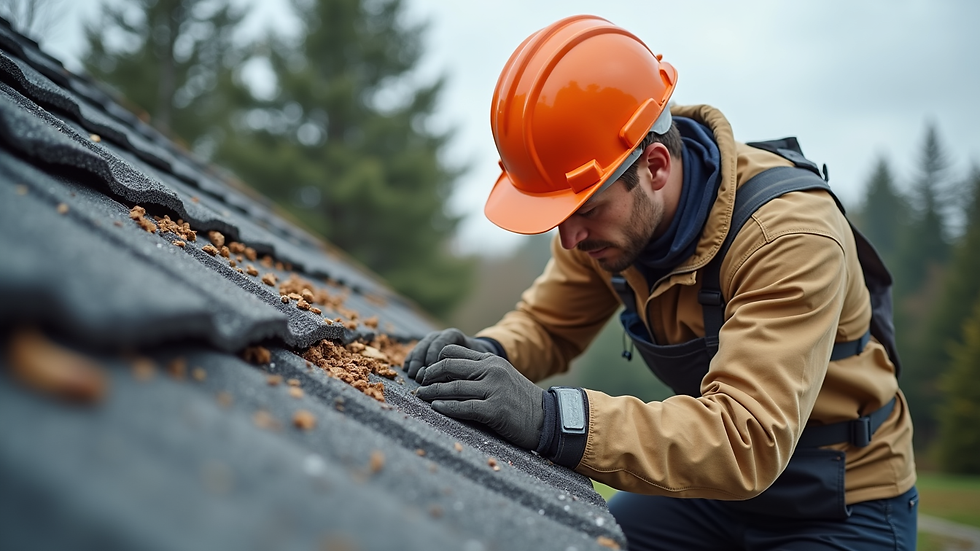
Inspect your roof carefully: Use binoculars if you can’t safely climb up. Look for missing shingles, dents, or debris.
Check inside your home: Look for water stains or damp spots on ceilings and walls.
Call your insurance company: Report the damage and ask about the claim process.
Hire a reputable contractor: Choose someone who specializes in storm damage roof repair and has good reviews.
Schedule repairs quickly: The sooner you fix the damage, the less likely it is to worsen.
Keep receipts and records: Save all paperwork related to repairs and claims.
Taking these steps helps protect your home and your investment.
Tips for Choosing the Right Roofing Contractor
Finding the right contractor can feel overwhelming, but here are some tips to make it easier:
Look for local experience: A company familiar with Central Texas weather will know how to handle common storm damage.
Check licenses and insurance: Make sure the contractor is licensed and insured to protect yourself from liability.
Ask for references: Talk to past customers about their experience.
Get a written estimate: This should include materials, labor, and timeline.
Discuss financing options: Some companies offer flexible payment plans to help with unexpected expenses.
Understand the warranty: Know what’s covered and for how long.
Choosing a trustworthy contractor means your repairs will be done right the first time.
Preventing Future Storm Damage
After repairing your roof, it’s smart to take steps to protect it from future storms:
Regular inspections: Check your roof twice a year and after big storms.
Trim nearby trees: Branches can break and damage your roof during high winds.
Clean gutters: Clear debris to prevent water backup and ice dams.
Upgrade materials: Consider impact-resistant shingles or reinforced flashing.
Secure loose items: Patio furniture or decorations can become projectiles in strong winds.
Taking these precautions can save you time and money down the road.
Moving Forward with Confidence
Repairing your roof after a storm might seem daunting, but with the right approach, it’s manageable. Remember to stay safe, document everything, and reach out for professional help when needed. If you want to learn more about roof storm damage repair, there are great resources and experts ready to assist you.
Your home is your sanctuary, and taking care of your roof ensures it stays that way for years to come. Don’t wait to address damage - the sooner you act, the better your home will weather the next storm.


Comments